The best approach is to store items based on proximity to use, cabinet depth, and accessibility.
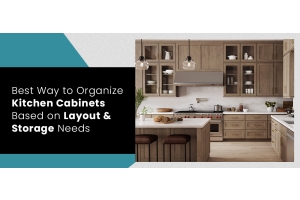
Best Way to Organize Kitchen Cabinets Based on Layout & Storage Needs
February 27, 2026
How Kitchen Layout Shapes Cabinet Organization
Your kitchen layout plays a much bigger role in how functional and efficient your cabinets are. Each layout comes with different:
- Storage challenges
- Opportunities
How you store items is shaped by:
- Cabinet depth
- Corner access
- Workflow
- Reach height
Understanding how your kitchen layout affects cabinet organization allows you to make smarter decisions that:
- Improve daily use
- Limit clutter
- Prevent wasted space
Once layout-based decisions are clear, homeowners can apply practical organizing techniques more effectively.
Our step-by-step kitchen cabinet organization guide walks through the process in detail and pairs perfectly with the layout strategies covered here.
Why Kitchen Layout Plays a Key Role in Cabinet Organization
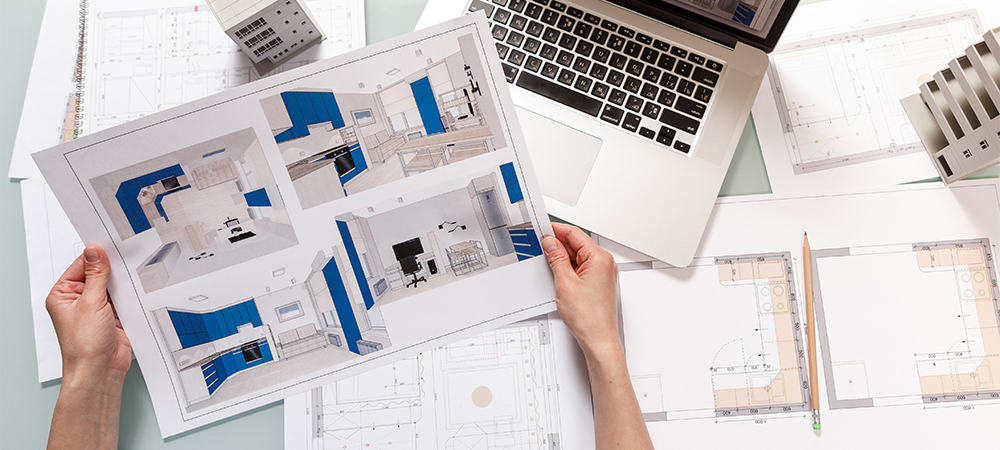
Kitchen layout directly affects how cabinets function. Which cabinets store daily items as opposed to seasonal is determined by the placement of:
- Appliances
- Counters
- Walkways
Layout also impacts:
- Storage accessibility
- Workflow efficiency
- How cabinet depth and height should be used
For example, cabinets near the stove should prioritize cooking tools, while cabinets farther away work better for specialty items.
Maximizing Cabinet Space in Small Kitchens
Small kitchens benefit most from organization that is:
- Intentional
- Space-efficient
Every cabinet should serve a clear purpose, and you should use vertical space whenever possible. Vertical storage strategies work well for:
- Baking sheets
- Cutting boards
- Trays
Upper cabinets should be used thoughtfully, with everyday dishes placed at eye level and less frequently used items stored higher. Drawer dividers in base cabinets help:
- Prevent clutter
- Make limited storage easier to maintain
Avoid creating clutter zones by overfilling cabinets simply because space is available. If an item does not serve a regular purpose, it should not waste prime cabinet real estate.
Strategic Storage for Open-Concept Kitchens
Large, open kitchens offer more storage but also more opportunity for wasted space. The key is to create functional zones like:
- Prep
- Cooking
- Baking
- Food storage
Cabinets near each zone should store related items to reduce unnecessary movement. Cabinets located far from the cooking area are great for:
- Entertaining supplies
- Small appliances
- Overflow pantry items
Mastering L-Shaped Cabinet Layouts
L-shaped kitchens often struggle with corner cabinet accessibility. These corners can become storage black holes if not planned correctly.
Lazy Susans work well for lighter items like:
- Cookware lids
- Spices
- Small appliances
Blind corner pull-outs offer better visibility for heavier items. Store heavy cookware in lower cabinets near the cooking area to avoid lifting issues.
U-Shaped Kitchen Storage Ideas
U-shaped kitchens offer generous cabinet space but can feel crowded if the organization is not balanced.
- Zone the Walls: Dedicate one wall to cooking and prep, a second to dishware and cleanup, and the third to pantry storage.
- Offset Storage: Avoid overloading upper cabinets.
- Map Out Access: Place frequently used items in central cabinets.
- Delegate Margin Space: Store occasional items toward the outer sections.
Best Way to Organize Deep Base Cabinets
Deep base cabinets are valuable but can quickly become disorganized if items disappear into the back. Pull-out trays and roll-out shelves better:
- Visibility
- Access
Stackable organizers allow you to use vertical space without blocking items behind others. When using cabinet depth effectively, store bulky items such as:
- Pots
- Mixing bowls
Avoid placing small loose items in deep cabinets unless they are contained within:
- Bins
- Organizers
How to Organize Upper Cabinets Based on Height & Reach
Upper cabinet organization should prioritize:
- Safety
- Ergonomics
Store daily-use items at or just below eye level, and place seasonal or specialty items on higher shelves.
Avoid overloading upper cabinets, as excessive weight can strain shelves and make items difficult to access safely. Maximize shelf space with:
- Shelf risers
- Cabinet organizers
Essential Cabinet Storage Upgrades
Cabinet accessories can significantly improve organization when chosen to support the layout. Pull-out shelves increase accessibility in deep cabinets, while drawer organizers separate:
- Utensils
- Tools
Spice pull-outs work well near cooking zones, and trash pull-out cabinets:
- Keep waste contained
- Don't disrupt workflow
Common Layout-Based Organization Mistakes to Avoid
One common mistake is using corner cabinets inefficiently. This leads to lost storage potential. Overloading upper cabinets is another issue that affects:
- Safety
- Usability
Ignoring kitchen workflow often results in cabinets that:
- Look organized
- Are inconvenient during daily use
Treating all cabinets the same, regardless of location or depth, prevents the layout from working to its full advantage.
Key Takeaways
Once you understand how your kitchen layout influences cabinet use, the next step is to follow a structured organizing process. Layout decisions determine where items belong, but execution matters just as much.
Cabinet Design and Outlet's detailed kitchen cabinet organization guide walks through each phase, making it easier to apply layout-based strategies consistently and keep cabinets organized long term.
FAQs
What is the best way to organize kitchen cabinets by layout?
How do you organize cabinets in a small kitchen?
Focus on vertical storage, drawer dividers, and keeping only essential items in the prime cabinet space.
How should you organize deep kitchen cabinets?
Use pull-out trays, stackable organizers, and reserve deep cabinets for bulky items that benefit from extra space.
Are pull-out shelves worth it for cabinet organization?
Yes, pull-out shelves improve visibility and access, especially in deep base cabinets.
Should cabinet organization change after a remodel?
Absolutely. A new layout often changes workflow and storage needs, making it the perfect time to reorganize cabinets properly.
Recent Posts